
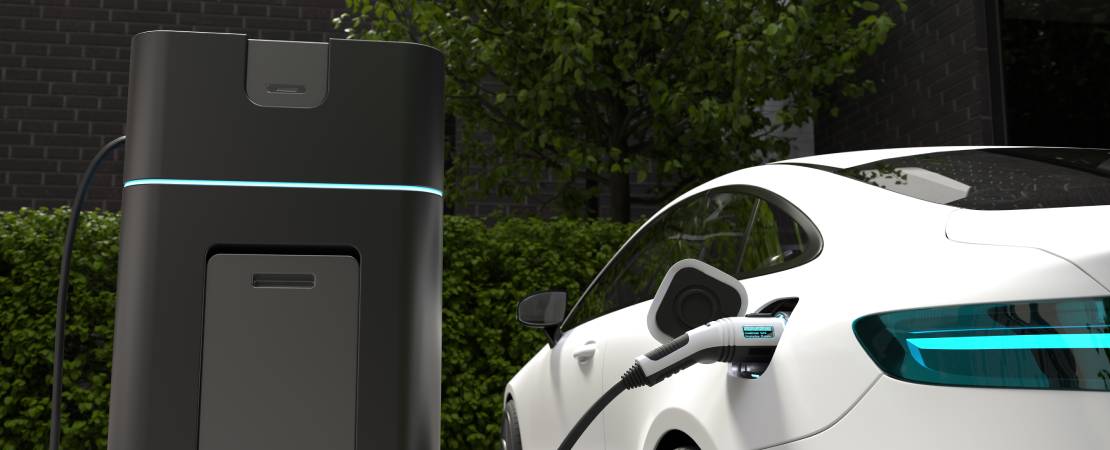

As electric mobility gets more traction across the UAE, businesses are moving past single-company EVs and sort of going big with fleet electrification. Like, from delivery operators and logistics businesses to hotels, and transport providers, more organizations are just adding electric vehicles straight into their regular operations, day by day.
But going from “a few” to an entire fleet isn’t only about buying vehicles. When you’re charging dozens, or even hundreds of EVs, efficiently, you need careful planning, the proper infrastructure, and an energy management approach that’s actually smart.
A charging arrangement that seems great for one vehicle at home can turn into a headache fast once multiple vehicles need dependable charging, every single day. Businesses should look at power capacity, charging timetables, the operational downtime windows, software integration, and even the ability to expand later on without a major rewrite.
This is exactly where a well-designed fleet EV charging UAE strategy becomes essential.
Why Fleet Electrification Is Accelerating Across UAE Industries
A few factors are pushing the fast adoption of electric fleets across the Emirates, and it’s kind of kept accelerating, honestly. The UAE government’s sustainability programs keep nudging people toward cleaner transport choices. At the same time, businesses are under heavier pressure to cut carbon emissions, while they’re still trying to meet the environmental social and governance, ESG, targets, which is no small thing.
At the same time EV technology has matured quite a lot. Today’s electric vans, passenger cars, and even commercial transport solutions provide longer driving distances, better dependability, and lower running expenses than we had before.
For a lot of organizations, the financial upside is just as persuasive. Electricity can cost less than conventional fuel across the vehicle’s lifetime, plus electric drivetrains often need fewer maintenance interventions than internal combustion setups.
And as charging infrastructure expands around the country, businesses are getting more confident about rolling out a corporate fleet EV approach that supports day to day efficiency, as well as sustainability objectives too.
Challenges of Fleet Charging vs Single-Vehicle Home Charging
Charging just one EV overnight at home is honestly pretty straightforward. But once you go from that to dozens of vehicles, it gets into this whole different ballgame, like exponentially more complex.
Fleet operators end up needing to keep the cars available when they’re required, yet at the same time dodging too much strain on the electrical infrastructure, not just “plug and forget” anymore.
Common challenges include:
Power Capacity Limitations
A facility may have sufficient electrical capacity for office operations but not enough to charge multiple vehicles simultaneously. Without proper planning, demand can exceed available power.
Vehicle Availability Requirements
Different vehicles often operate on different schedules. Some may return to base during the evening, while others require charging throughout the day.
Charging Queue Management
Without coordinated scheduling, drivers may compete for charging access, causing delays and operational disruptions.
Future Expansion
A lot of organizations begin with a smaller batch of EVs, then they scale up fleets over time. The charging infrastructure should be ready for what comes next, so it can grow more later, without needing a big re design or heavy overhaul. Even if it’s modest at first, planning ahead matters.
Operational Visibility
Fleet managers need real-time insight into charging status, energy consumption, charger availability, and vehicle readiness.
These challenges make commercial fleet charging UAE projects significantly more sophisticated than residential charging installations.
Depot Charging, Workplace Charging, and Hub Charging Options
Selecting the right charging model depends on fleet size, vehicle usage patterns, and facility characteristics.
Depot Charging
Depot charging is one of the most common answers for fleets. The vehicles get back to a central area at the end of their shifts and they charge up during idle periods, usually overnight.
Benefits include:
- Predictable charging schedules
- Centralized infrastructure management
- Lower operational complexity
- Easier maintenance and monitoring
Depot charging UAE solutions are particularly popular among logistics providers, delivery operators, and service fleets.
Workplace Charging
Some businesses run their fleets from office spots, where the vehicles basically stay parked for long stretches during work time. With workplace charging they can top up the battery while employees handle their everyday duties.
This approach can reduce pressure on overnight charging and improve overall fleet flexibility.
Charging Hubs
Big organizations that have fleets moving around different places might end up with dedicated charging hubs, you know. Those centralized sites can handle a lot of charging at once, while still giving a scalable setup for upcoming growth and other new expansion plans.
In practice, hub charging tends to fit especially well for transport providers, ride-hailing operators, and regional service networks. A lot of companies eventually move toward a mixed approach, basically blending several charging models at the same time, just to get the best efficiency.
Load Management: How Smart Systems Balance Simultaneous Charging
One of the biggest concerns for businesses is, how do they charge tons of vehicles without somehow stressing the available electrical capacity too much. This is where intelligent load management comes in, because it is really critical.
Load management systems keep checking the energy demand nonstop and then automatically sort out how the available power is allocated across the connected chargers.
Rather than every charger operating at maximum capacity simultaneously, power is allocated dynamically based on:
- Vehicle priority
- Departure schedules
- State of charge
- Available grid capacity
- Site energy consumption
For example, if ten vehicles are plugged in but only five require immediate charging, the system can prioritize those vehicles while reducing power delivery to others.
This approach offers several advantages:
Reduced Infrastructure Costs
Businesses can often avoid expensive electrical upgrades by utilizing available capacity more efficiently.
Lower Peak Demand Charges
Managing power consumption helps reduce demand spikes that may increase utility costs.
Improved Fleet Readiness
Priority-based charging ensures critical vehicles remain operational when needed.
Better Scalability
Organizations can add more vehicles without immediately expanding electrical infrastructure.
For companies looking at multi vehicle EV charger setups, smart load balancing is often, like one of the most valuable pieces of the overall system.
Billing, Metering, and Cost Allocation Across Company Vehicles
As fleet operations grow, tracking charging expenses becomes ever more important, honestly. Businesses need proper data so they can see what the operational costs are, figure out how to split budgets, and then judge return on investment, in a very practical sense.
Modern charging platforms provide detailed metering capabilities that track:
- Energy consumed per vehicle
- Charging session duration
- Charging location
- User activity
- Total electricity costs
This data helps organizations to spread out charging costs among departments, business units, or even particular vehicles in a more sensible way.
For businesses that let employees use take-home vehicles, a more advanced billing system can separate personal charging from company related charging activities, too, depending on how they run things.
With solid reporting, the finance teams can keep an eye on energy usage, which then backs sustainability reporting needs and those operational decisions, you know.
OCPP and Fleet Management Software Integration
Charging hardware is only part of the story, honestly, it’s a piece but not the whole thing. Effective fleet charging needs that smooth, seamless software integration, otherwise it kind of falls apart.
A lot of modern charging solutions now support OCPP (Open Charge Point Protocol), which is basically an industry-standard communication framework for letting chargers and management platforms talk with each other.
With OCPP, businesses get more flexibility too because they’re not stuck inside one single software ecosystem.
When integrated with fleet management systems, charging infrastructure can provide valuable operational insights such as:
- Vehicle charging status
- Energy consumption trends
- Charger utilization rates
- Maintenance alerts
- Driver behaviour analysis
- Fleet readiness forecasting
Integration helps organizations automate charging operations while reducing manual administration.
As fleets grow larger, software becomes increasingly important in ensuring infrastructure operates efficiently and remains aligned with operational goals.
ROI Calculation for Fleet Charging Infrastructure
Every business that is thinking about electrification kind of eventually gets stuck on the same thing, what is the return on investment? And honestly it depends, on a few factors like fleet size, how much the vehicles are really out there, the price of electricity, and also the whole matter of charging infrastructure needs.
A comprehensive ROI assessment should consider:
Fuel Savings
Electric vehicles generally have lower energy costs per kilometer compared to traditional fuel-powered vehicles.
Reduced Maintenance
EVs typically contain fewer moving parts and often require less routine servicing.
Infrastructure Investment
Businesses must account for chargers, installation, electrical upgrades, software, and maintenance.
Operational Efficiency
Smart charging systems can improve vehicle availability and reduce downtime.
Sustainability Benefits
Reduced emissions may support corporate ESG targets and strengthen brand reputation.
Future Cost Stability
Electricity pricing is often less volatile than fuel markets, supporting more predictable operating expenses.
While payback periods vary, many organizations find that the long-term operational savings justify the initial investment in charging infrastructure.
Industries Using EV Fleets in UAE: Delivery, Logistics, Taxi, Hospitality
Fleet electrification is expanding across multiple sectors.
Delivery Services
E-commerce growth continues to increase demand for electric delivery vehicles. Companies benefit from lower operating costs and predictable daily routes that align well with EV capabilities.
Logistics Operations
Regional logistics providers are adopting electric vehicles for urban distribution and last-mile delivery applications.
Taxi and Transportation Services
Ride-hailing operators and taxi companies are increasingly exploring electric mobility to reduce fuel expenses and improve sustainability performance.
Hospitality
Hotels and resorts are incorporating EVs into guest transportation, concierge services, and internal operations.
Facility Management and Service Companies
Organizations operating maintenance vehicles, inspection fleets, and field service teams are finding electric transportation increasingly practical for daily operations.
As charging technology continues to evolve, additional industries are expected to accelerate fleet adoption throughout the UAE.
How Evolve Supports Commercial Fleet Charging
Successful fleet charging projects require more than installing chargers.
At Evolve, we help businesses design scalable charging ecosystems that align with operational requirements, energy capacity, and future expansion plans.
Our approach includes:
- Site assessment and infrastructure planning
- Fleet charging strategy development
- Smart charging system deployment
- Load management implementation
- Software integration support
- Scalable charger installation solutions
- Ongoing maintenance and technical support
Whether your organization is rolling out a small fleet today or getting ready for big, electrification scale later, our group brings tailored solutions aimed at long term performance and reliability.
By weaving intelligent tech with practical deployment know how, Evolve helps companies craft charging infrastructure that keeps day to day operations more efficient, while also nudging sustainability objectives forward.
Power Your Fleet’s Electric Future
The shift toward electric mobility is no longer something UAE businesses can treat as a future idea, it’s becoming a competitive edge right now. Companies that put money into smart charging infrastructure today will likely be in a stronger place to lower operating costs, boost sustainability results, and scale smoothly while EV adoption picks up speed.
If you’re thinking about your first fleet roll out or you’re growing an already running operation, Evolve can help you shape a charging approach that fits your business realities. More or less.
Get in touch with Evolve today, and talk through your fleet charging requirements, plus see how intelligent infrastructure can back a more efficient, future-ready operation.