
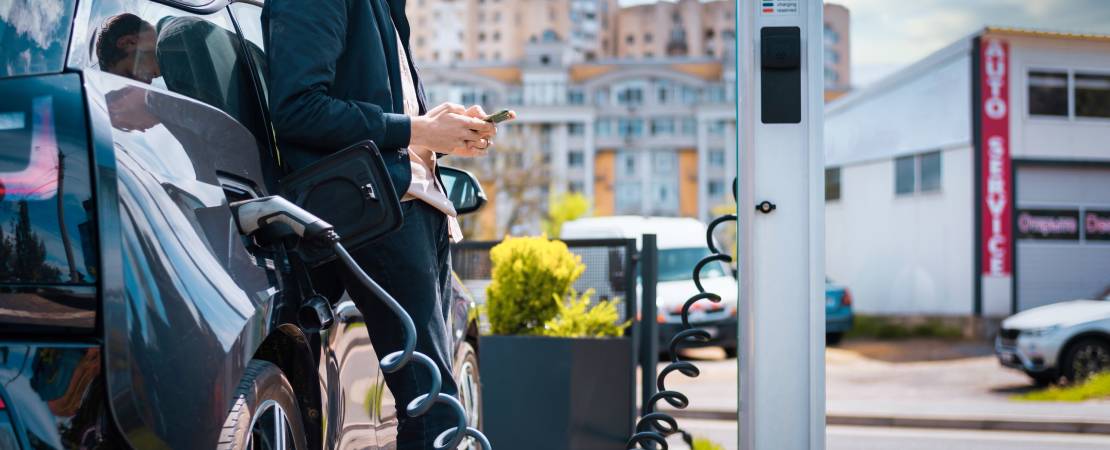

Putting in an EV charger is really just the beginning, not the full story, and honestly it can feel a bit misleading at first. No matter if you have one at home, you’re coordinating charging points in a residential community, or you run a commercial charging network, ongoing maintenance is what makes the whole experience dependable. Safety, performance, and long-term value kind of ride on it.
A lot of EV owners think once the charger is installed, that’s it, it will keep working with almost zero attention. EV charging units are built for durability, sure. Still, they’re always dealing with tough day to day conditions, and especially here in the UAE. High heat, airborne dust, humidity, and constant daily charging cycles can gradually change how the equipment behaves.
Having a proactive maintenance approach helps stop those annoying surprises like unexpected downtime. It can also prevent expensive repairs and pushes the usable lifespan further out. And just as importantly, it gives drivers confidence that the charging infrastructure will actually be ready when they need it.
In this guide you’ll find what homeowners, property managers, and businesses should know about EV charger maintenance in the UAE, plus practical best practices that make a noticeable difference.
Why EV Charger Maintenance Is Overlooked but Critical in UAE’s Climate
Unlike traditional mechanical equipment, EV chargers have relatively few moving bits, so people kind of get the wrong idea. It can feel like maintenance is, well, not needed. In truth though, charging stations are actually pretty sophisticated electrical systems that keep managing sizeable power loads, and at the same time they’re communicating with vehicles and in many cases with cloud-based software platforms as well.
When maintenance is ignored, small issues can gradually develop into larger problems, including:
- Reduced charging performance
- Communication errors
- Connector wear
- Cable damage
- Software faults
- Unexpected downtime
- Safety concerns
For companies running public or commercial charging infrastructure, downtime can mess with customer satisfaction, income, and everyday efficiency, not just one thing.
For homeowners, if upkeep is weak or a bit neglected, charging interruptions may happen right when the vehicle needs power the most.
Preventive care is usually way cheaper than any emergency repair, so sticking to regular charger upkeep, UAE practices, is a meaningful part of long-term ownership.
How Dubai Heat, Sand, and Humidity Affect Charging Hardware
The UAE’s climate brings a few distinctive troubles for the electrical framework, you know, in real life. Even if modern chargers are crafted to handle outdoors and heavy weather, long stretches of direct exposure to environmental factors can still mess with how well they operate, over time.
Extreme Summer Temperatures
High ambient temperatures can place additional stress on electronic components.
Potential effects include:
- Thermal throttling
- Reduced charging performance
- Accelerated component aging
- Increased cooling system demand
Many smart chargers automatically reduce charging power when internal temperatures exceed safe operating thresholds.
Dust and Sand Exposure
Fine dust particles are common throughout the UAE.
Over time, sand and dust can accumulate on:
- Ventilation openings
- Cooling systems
- Connector surfaces
- Cable storage areas
Excessive buildup may affect cooling efficiency and electrical contact quality.
Humidity and Coastal Conditions
Properties located near the coast often experience elevated humidity levels.
Moisture exposure can contribute to:
- Connector corrosion
- Surface deterioration
- Electrical resistance increases
- Seal degradation
Regular inspection helps spot environmental wear early, before it sort of affects charger performance.
These factors make preventive maintenance EV practice is particularly important for UAE- based charging installations, in practice.
Signs Your EV Charger Needs Professional Attention
Most chargers do end up giving years of dependable service, but occasionally issues can pop up too. If you can catch early warning signs right away, it tends to keep the bigger problems from showing up later.
Charging Sessions Frequently Stop
Unexpected interruptions may indicate communication faults, connector issues, or software-related problems.
Charging Speed Has Decreased
If charging suddenly takes significantly longer than usual, the charger may require inspection.
Visible Damage
Cracks, broken covers, exposed wiring, or damaged connectors should never be ignored.
Error Messages
Repeated fault notifications may indicate underlying technical issues that require diagnosis.
Excessive Heat
Some warmth during operation is normal. However, unusually hot cables, connectors, or charger housings should be investigated.
Network Connectivity Problems
Smart charging setups that keep disconnecting, from their management platform, might need a bit of software or communications troubleshooting, like rechecking settings and the link itself, sometimes it just gets finicky.
Early action, usually stops you needing bigger more extensive EV charger repair UAE services later on.
Monthly Maintenance Checklist for Home EV Chargers
Homeowners can perform several simple inspections each month without specialized tools.
Check the Charger Exterior
Inspect the charger enclosure for:
- Cracks
- Discoloration
- Physical damage
- Loose mounting hardware
Inspect the Charging Cable
Look for:
- Cuts
- Abrasions
- Kinks
- Excessive bending
Examine Connector Pins
Ensure charging connectors remain:
- Clean
- Dry
- Free of debris
- Undamaged
Verify Indicator Lights
Confirm status lights and displays function normally.
Test Charging Performance
Observe whether charging sessions start normally and complete without interruptions.
Clean External Surfaces
Use a soft, dry cloth to remove dust accumulation from accessible surfaces.
Avoid using high-pressure water or harsh cleaning chemicals.
Review Mobile App Notifications
Many smart chargers send alerts about connectivity, performance, and firmware updates. Keeping an eye on those notifications really helps spot potential issues early.
Even if these checks help with smart charger care, they should not stand in for professional servicing when its needed.
Maintenance Schedule for Commercial Charging Stations
Commercial charging settings usually end up needing more, kind of organized maintenance plans, even if they look simple at first. Residential chargers are one thing, but public plus workplace stations, tend to get used far more often, and they’re also exposed to weather and other outside conditions.
Monthly Visual Inspections
Check:
- Charger housings
- Cables
- Connectors
- Signage
- Parking area conditions
Quarterly Functional Testing
Verify:
- Charging performance
- User authentication
- Payment systems
- Communication systems
- Load management functionality
Semi-Annual Technical Inspection
A qualified technician should evaluate:
- Internal electrical components
- Connection integrity
- Grounding systems
- Cooling systems
- Protective devices
Annual Preventive Maintenance
Comprehensive servicing may include:
- Electrical testing
- Firmware verification
- Connector replacement assessments
- Safety checks
- Performance validation
Routine EV station servicing helps maximize uptime and maintain user confidence.
Firmware Updates and Software Maintenance
Modern charging stations are increasingly software-driven.
In many cases, charger performance depends as much on software as hardware.
Why Firmware Matters
Firmware controls key charger functions such as:
- Vehicle communication
- Charging logic
- Safety systems
- Network connectivity
- User authentication
Manufacturers periodically release updates that improve performance and address potential issues.
Benefits of Updates
Firmware updates may provide:
- Security enhancements
- Bug fixes
- Improved compatibility
- New functionality
- Better reliability
Cloud-Based Monitoring
Many smart charging platforms allow operators to monitor charger health remotely.
Features often include:
- Fault notifications
- Utilization reporting
- Software status monitoring
- Remote diagnostics
Maintaining current software versions helps ensure charging systems continue operating efficiently.
Cable and Connector Inspection and Care
The charging cable is one of the most heavily used components of any charging station.
Because users interact with it directly, it experiences more wear than most other charger components.
Avoid Dragging Cables
Dragging connectors across concrete surfaces can damage protective materials.
Store Cables Properly
Use designated cable holders whenever available.
Keep Connectors Clean
Dust and debris can affect electrical contact quality.
Protect Against Impact Damage
Avoid placing heavy objects on charging cables or connectors.
Check Connector Pins
Pins should remain:
- Straight
- Clean
- Undamaged
- Corrosion-free
Monitor Cable Flexibility
Excessive stiffness, cracking, or wear may indicate aging materials.
Proper cable care can significantly extend service life while reducing the likelihood of charger fault UAE incidents.
When to Call a Qualified EV Charger Technician
Some maintenance tasks are suitable for users, but others require professional expertise.
You should contact a qualified technician if you notice:
Persistent Error Codes
Repeated faults usually require diagnostic testing.
Charging Failures
If vehicles consistently fail to charge, professional inspection is recommended.
Physical Damage
Damaged housings, cables, or connectors should be repaired immediately.
Water Ingress Concerns
Evidence of moisture inside charger components requires urgent attention.
Electrical Issues
Tripped breakers, unusual sounds, burning smells, or overheating should never be ignored.
Network and Software Problems
So persistent connectivity issues may need advanced troubleshooting, or at least more careful work. If you try to do complex repairs without the right training, you can create safety risks and, it might even void your equipment warranties, depends on the case.
Getting professional EV charger service Dubai support means any repairs are handled safely and correctly, in a steadier way, not by guesswork.
Evolve’s After-Sales Service and Maintenance Support
At Evolve, our dedication to clients keeps going, like well after the install is done. We know reliable charging infrastructure depends on continued performance, proactive servicing, and quick technical support, so issues get handled faster and the whole system stays steady.
Our service capabilities include:
- Preventive maintenance programs
- Charger inspections
- Fault diagnosis
- Software and firmware management
- Performance testing
- Commercial maintenance contracts
- Corrective repairs
- Technical support services
Whether you’re dealing with a home charger, a workplace charging setup, hospitality installation, or even a big, large scale charging network, our team is right there to help your infrastructure keep running in a safe, smooth, and efficient way.
By bringing in technical know-how along with proactive assistance, Evolve helps clients boost charger reliability, reduce the downtime, and safeguard the long-term value of their investment too.
Protect Your Charging Investment with Proactive Maintenance
An EV charger is a long-term investment, it really matters for day-to-day travel, workplace operations, and also for commercial charging services. With routine maintenance you keep it working steady, so that it keeps delivering dependable performance year after year.
When you blend regular check-ups, software updates, careful cable attention, and professional servicing when things start looking odd, both homeowners and facility managers can reduce downtime quite a bit and help the equipment last longer.
If you’re looking for ongoing maintenance support, technical troubleshooting, or skilled servicing Evolve has complete solutions that fit the UAE operating conditions.
Reach out to Evolve today to find out more about our maintenance programs and keep your EV charging infrastructure performing at its best.