
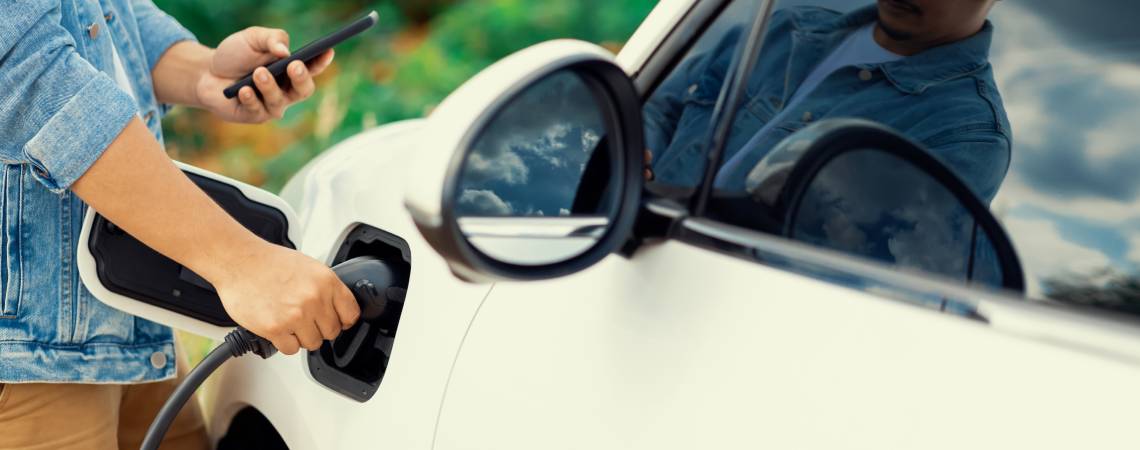

An EV charger sits outdoors, handles high electrical current, and often gets installed by whoever quoted the lowest price. That combination is exactly why certification standards exist – and why checking for them before installation matters more than most buyers realize.
What ADQCC certification is and why it matters in UAE conditions
ADQCC (Abu Dhabi Quality and Conformity Council) certification confirms that a product meets defined safety and quality standards for the UAE market, covering electrical safety, build quality, and durability under local conditions. For EV chargers specifically, this means the unit has been verified to handle the electrical loads involved safely, and to hold up physically to the environment it will actually be installed in – which in the UAE means sustained heat, dust, and occasional heavy rain during certain months.
IP67 and IK10 ratings explained in plain terms (dust/water and impact resistance)
Rating | What it measures | What it means practically |
IP67 | Dust and water ingress protection | Fully dust-tight, and protected against temporary submersion – relevant for outdoor installation exposed to dust storms or heavy rain |
IK10 | Mechanical impact resistance | Withstands significant impact force without the housing cracking or internal components being exposed – relevant for chargers installed in accessible areas like driveways or parking |
A charger without these ratings, or with lower ratings, isn’t automatically unsafe indoors or in fully sheltered locations – but for a typical outdoor UAE installation, these ratings are the practical minimum worth checking for.
Risks of installing uncertified chargers in Dubai’s heat, humidity, and dust
- Premature internal failure from dust ingress affecting electrical connections
- Reduced lifespan from heat stress on components not rated for sustained high ambient temperatures
- Fire and electrical safety risk from lower-quality units without adequate internal protection or certified components
- No accountability trail if something goes wrong, since uncertified products typically lack the documented testing and compliance record certified units carry
How to verify a charger’s certification before buying
- Ask the installer directly for the ADQCC certification documentation for the specific model being quoted, not just a general claim of compliance
- Check the IP and IK ratings printed on the unit or in its technical specification sheet
- Confirm the certification applies to the exact model and configuration being installed, since certification can be model-specific
- Be cautious of installers who can’t produce documentation on request – this is a reasonable and normal question to ask
Why Evolve only installs certified units
Evolve installs only ADQCC-certified charging units rated appropriately for outdoor UAE conditions, and can provide certification documentation for every installation on request. This isn’t just a compliance checkbox – it directly affects how long the charger lasts and how safely it performs under real UAE weather conditions over years of use, not just at installation. See our guide on choosing the best EV charger on a budget, or explore our residential and commercial service pages to get a certified installation quoted.
Related Reading
Article | Link |
DEWA Green Charger Network vs Private EV Chargers | |
EV Charger Warranty and Maintenance | |
Can I Take My Home EV Charger With Me When I Move? What Renters and Movers Need to Know | |
Solar-Powered EV Charging at Home |
FAQs
Regulatory requirements around certification can apply depending on the specific installation context and authority involved; regardless of strict legal requirements, installing an uncertified unit carries meaningful safety and longevity risk that certified units are specifically designed to address.
It means the unit is fully protected against dust ingress and protected against temporary submersion in water, which is relevant for outdoor installations exposed to dust and heavy rain.
Ask your installer for the specific model’s ADQCC certification documentation, and check that the certification matches the exact unit and configuration being installed at your property.