
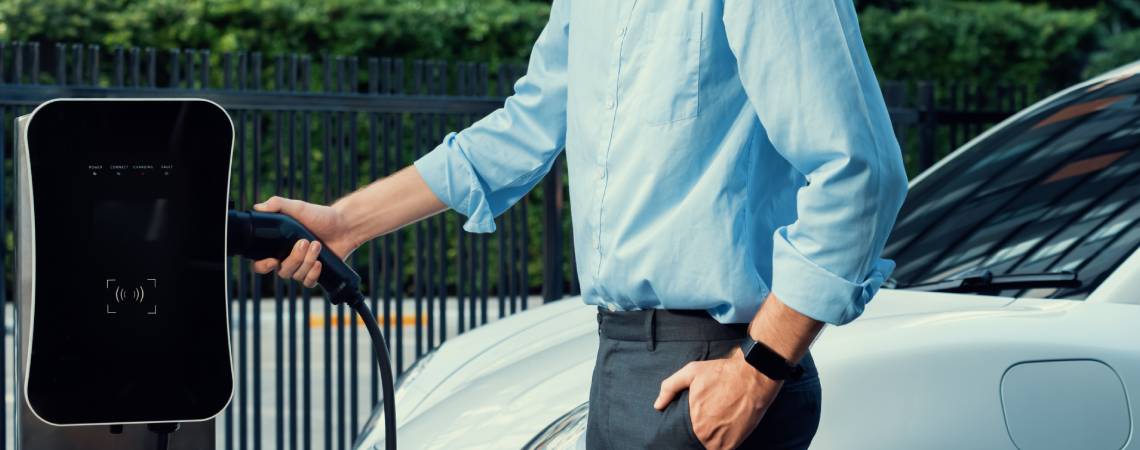

Buying a home EV charger is usually treated as a one-time decision. In reality, the warranty terms and the maintenance you do (or skip) over the following years determine whether that charger is still reliable in year five, or already showing problems by year two.
What’s typically covered under an EV charger warranty (hardware vs installation)
Most EV charger warranties separate into two distinct coverage areas:
- Hardware warranty – covers manufacturing defects in the charging unit itself, typically provided by the charger manufacturer, usually running several years from purchase
- Installation warranty – covers the quality of the electrical installation work, provided by the installer rather than the manufacturer, and is a separate guarantee from the hardware itself
A charger can have a strong hardware warranty and still fail prematurely if the installation was done poorly – which is why both matters, and why they’re worth confirming as two separate items before installation, not assumed to be bundled automatically.
How UAE heat/dust affects charger longevity and maintenance needs
UAE conditions are genuinely harder on outdoor electrical equipment than more temperate climates. Sustained high temperatures accelerate component wear inside the charger housing, and dust infiltration over time can affect ventilation and internal connections if the unit isn’t properly sealed or periodically checked. Chargers rated for outdoor UAE installation are built to account for this, but “rated for it” doesn’t mean “maintenance-free” – periodic checks still matter more here than they would in a milder climate.
Recommended maintenance schedule for a home charger
Frequency | What to check |
Every few months | Visual inspection for dust buildup, cable wear, or housing damage |
Annually | Professional inspection of internal connections, firmware updates if applicable, ventilation check |
As needed | Cable and connector replacement if visible wear appears |
A simple annual professional check catches most issues – loose connections, early dust ingress, firmware that needs updating – before they turn into a failure.
What voids a charger warranty
- Installation by an unauthorized or unqualified electrician
- Modifications to the unit outside manufacturer specifications
- Damage from exposure the unit wasn’t rated for (e.g., installing an indoor-rated unit outdoors)
- Failure to follow manufacturer-recommended maintenance where explicitly required by the warranty terms
What Evolve’s post-installation support includes
Evolve provides installation backed by both manufacturer hardware warranty and our own installation guarantee, along with scheduled maintenance check-ins for clients who want ongoing coverage rather than a one-time install. If your charger is a few years old and hasn’t had a check since installation, it’s worth booking one before an issue develops rather than after. Visit our residential EV charger service page, or see our guide on choosing the best EV charger on a budget if you’re still deciding on a unit. For certification standards to check before buying, see our ADQCC certification guide.
Related Reading
Article | Link |
EV Charger Safety Standards in the UAE | |
DEWA Green Charger Network vs Private EV Chargers | |
Can I Take My Home EV Charger With Me When I Move? What Renters and Movers Need to Know | |
Solar-Powered EV Charging at Home |
FAQs
With proper installation and periodic maintenance, most quality home chargers last several years reliably, though UAE heat and dust exposure make regular checks more important than in milder climates.
It’s not always contractually required, but an annual professional inspection meaningfully reduces the risk of undetected wear turning into a failure, particularly given UAE outdoor conditions.
If the fault is a hardware defect within the manufacturer’s warranty period, it’s typically covered; if it’s related to installation quality, the installer’s warranty applies - confirming which warranty covers what before installation avoids confusion later.