
Building a sustainable future
EVs are Better for the Environment
Rising fuel prices and a push for greener initiatives have led many organizations to adopt electric vehicles (EVs) for their fleets.
At Evolve EV Charging Solutions, We are committed to promoting sustainability and reducing carbon emissions.
We offer renewable energy options, recycle and reduce waste, maximize energy efficiency. Our goal is to continue expanding our network of electric vehicle charging stations installations across the UAE/GCC/MENA region and remain a leader in sustainable practices. Together, we can create a cleaner, more sustainable future.

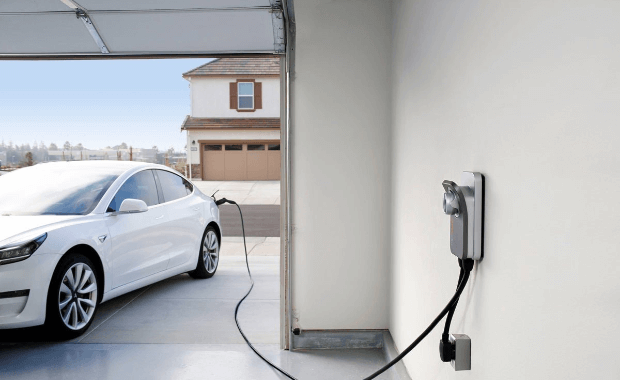
How Are Electric Vehicles Better for the Environment?
As a cleaner alternative, electric vehicles are an important step in sustainable transportation. Notable for their fuel efficiency, EVs can be a cost-effective way to reduce operating expenses across your fleet. Rising fuel prices and a push for greener initiatives have led many organizations to adopt electric vehicles (EVs) for their fleets. Notable for their fuel efficiency, EVs can be a cost-effective way to reduce operating expenses. The price of electricity in the United States averages 10 cents per kilowatt-hour (kWh). Typically, an electric car costs approximately 3 cents per mile—much lower than a gasoline car at 10 cents per mile.
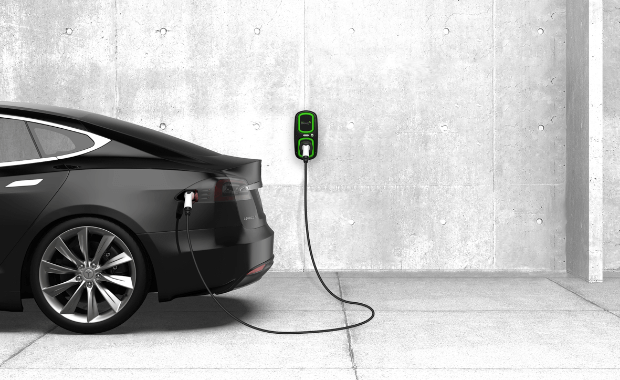
What are EVs, and how do they work?
Conventional cars use internal combustion engines (ICEs) that generally run on fossil fuels like gas or diesel. EVs use one or more electric motors powered by rechargeable lithium-ion batteries, the same kinds of batteries that power smartphones and laptops. And like electronic devices, EVs plug into external power sources for charging. Other types of batteries rely on regenerative braking for charging, or generating electricity from the vehicle’s frictional energy. In addition to being less polluting than fuel engines, lithium-ion batteries often work more efficiently. Many have a guaranteed life span of 8-10 years.
What are the different kinds of EVs?
EVs are classified into different types based on how much they rely on electricity as a power source. Currently, there are three main classifications of EVs.
Battery electric vehicles (BEVs)
A completely electric with rechargeable batteries. Also known as ‘plug-in’ EVs, BEVs use an external electrical charging outlet for power. They rely on electricity and do not have a gasoline engine, fuel tank, or tailpipe.
Plug-in hybrid electric vehicles
An extended-range electric vehicles, are partly powered by gasoline and partly by electricity. They have batteries that charge with an external outlet, and regenerative braking capabilities. PHEVs also use a gas engine to extend the vehicle’s range and to recharge the car battery.
Hybrid electric vehicles (HEVs)
Powered by both gasoline and electricity. They differ from PHEVs by relying only on regenerative braking for battery charge. These EVs use their electric motor when driving, which is then supplemented with the gasoline engine as needed due to increases in load or speed.
5 ways that EVs are better for the environment
As a cleaner alternative, EVs are an important step in sustainable transportation. Here are the five major ways that EVs can benefit the environment.
The electric way forward
Far far away, behind the word mountains, far from the countries Vokalia and Consonantia, there live the blind texts. Separated they live in Bookmarksgrove right at the coast
Far far away, behind the word mountains, far from the countries Vokalia and Consonantia, there live the blind texts. Separated they live in Bookmarksgrove right at the coast
Far far away, behind the word mountains, far from the countries Vokalia and Consonantia, there live the blind texts. Separated they live in Bookmarksgrove right at the coast
Far far away, behind the word mountains, far from the countries Vokalia and Consonantia, there live the blind texts. Separated they live in Bookmarksgrove right at the coast
Far far away, behind the word mountains, far from the countries Vokalia and Consonantia, there live the blind texts. Separated they live in Bookmarksgrove right at the coast